
Vietnam has produced many types of avian flu, foot-and-mouth, and African swine fever vaccines... but farmers still have a 'preference for foreign' mindset and quality concerns, leading to low adoption of domestic vaccines.
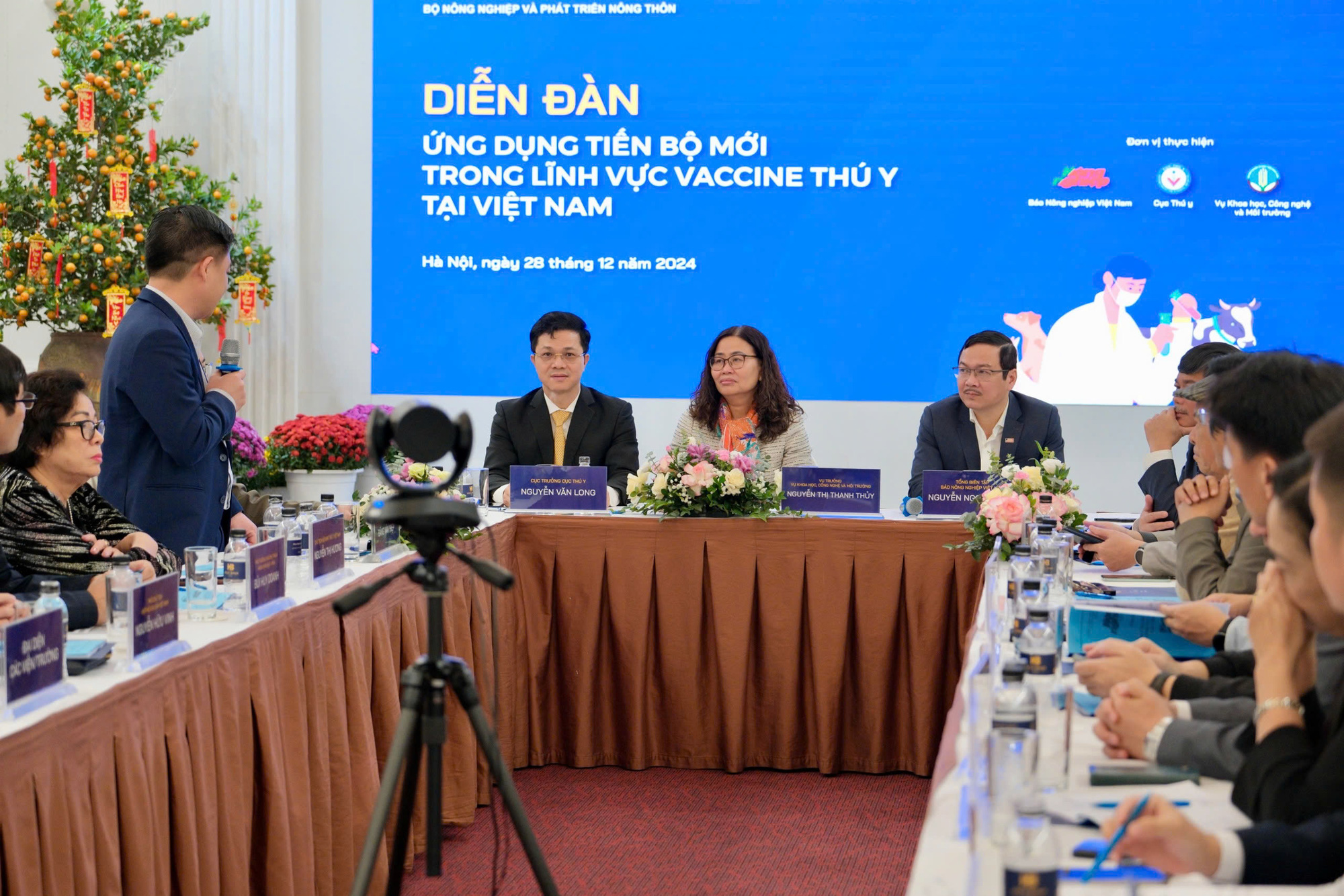
This was discussed by experts and delegates at the forum on applying new progress in veterinary vaccines in Vietnam - organized by Vietnam Agriculture News in coordination with the Department of Animal Health and the Ministry of Agriculture and Rural Development on Dec 28.
Mr. Le Toan Thang, head of the Veterinary Medicine Management Division (Department of Animal Health), said Vietnam has 92 GMP-WHO veterinary medicine production facilities, including 12 vaccine plants.
The country currently has 218 registered vaccines, including critical ones like avian flu, foot-and-mouth, and rabies. Notably, Vietnam has successfully co-developed an African swine fever vaccine.
Compared to countries and territories like Thailand, Indonesia, and Taiwan, Vietnam leads the region in veterinary vaccine production.
However, Vietnam spends nearly 100 million USD annually importing flu, foot-and-mouth, and blue ear vaccines, while domestic production is only about 30 million USD despite the potential for higher capacity.
For instance, domestic avian flu vaccine capacity could more than double, but due to 'foreign preference,' production only meets market demand at about 200 million doses, while nearly 550 million doses are imported.
On why domestic vaccines aren't widely used, Mr. Nguyen Huu Vu - Chairman and CEO of Hanvet - said reality proves the truth: if we praise quality but people don't use it, we must re-evaluate.
Another reason is Vietnam's reputation compared to 'senior' entities like Pfizer. Furthermore, production and quality control are still lagging, and large livestock corporations or enterprises don't actively support them.
"By self-assessment, Hanvet's vaccine quality is perhaps only 80% of foreign ones," Hanvet's chairman expressed, admitting domestic vaccine coverage is relatively low.
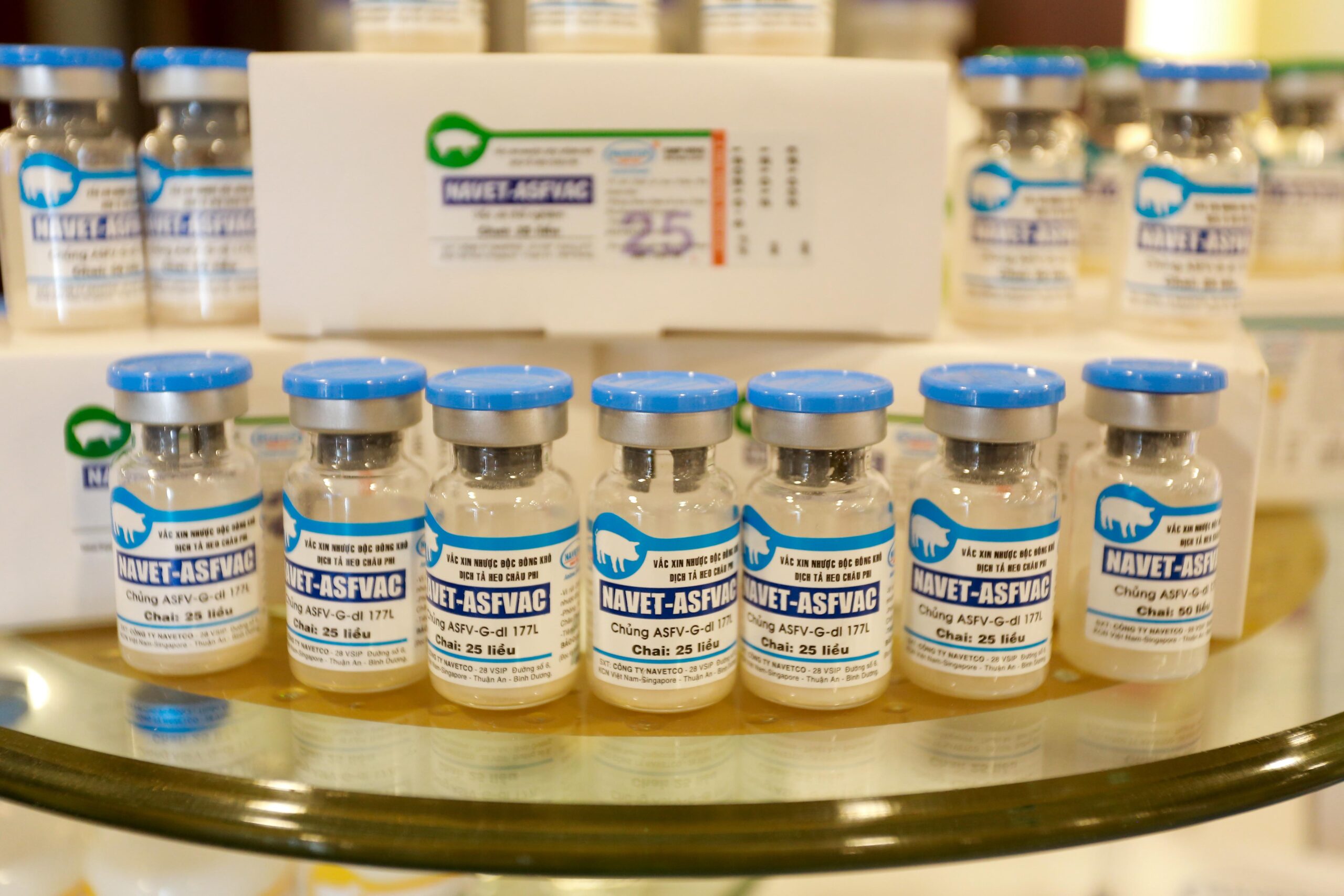
Dr. Nguyen Thi Huong, President of the Vietnam Veterinary Science and Technology Association, also cited the 'preference for foreign' mindset as a bottleneck in promoting domestic vaccines.
According to Ms. Huong, besides improving quality, it's vital to boost promotion so more people know about domestic vaccines and their capabilities.
"Quality builds the brand. Once domestic vaccines ensure quality, they greatly need farmers' support," Ms. Huong said.
Mr. Phan Quang Minh - Deputy Director of the Department of Animal Health - affirmed that vaccination remains the most fundamental solution for disease prevention in livestock. The choice of domestic vs. foreign depends on history, habits, consumer psychology, price, or communication.
Recently, many FDI enterprises use vaccines in a chain along with breeds and veterinary drugs. Thus, domestic vaccine penetration in this group faces high competition.
"We perhaps need to constantly improve quality, marketing, and pricing for domestic vaccines to reverse the current 30-70 ratio," Mr. Minh emphasized.